
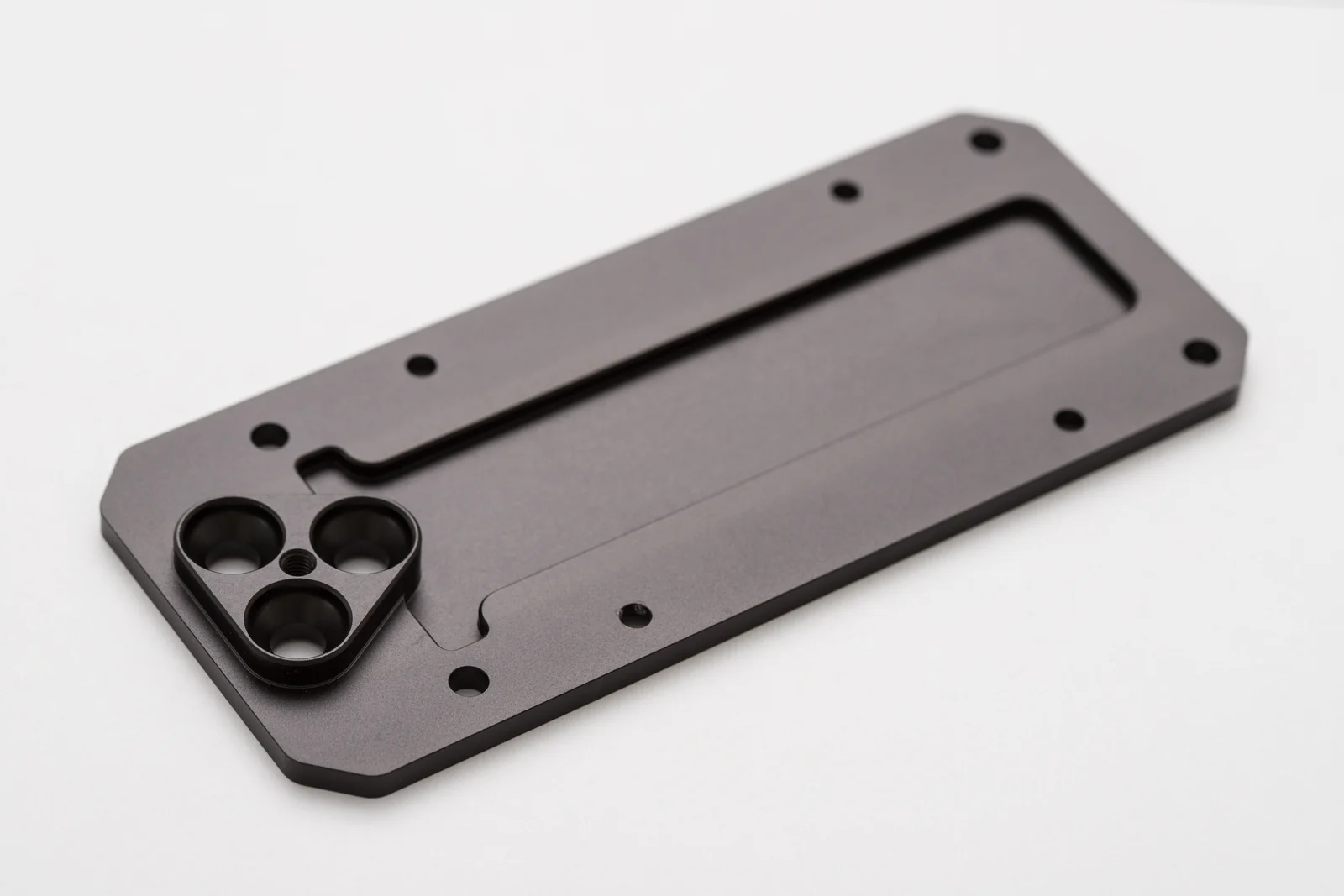
Specify the grade and condition
Use the material designation and condition required by the design. A request that only says aluminum, stainless steel or plastic leaves the grade undefined. Include the governing material specification and state who may approve a substitution.
Examples of designations used in an RFQ include 6061-T6, 7075-T6, SUS304, SUS316L, POM, PEEK and FR-4. They are specification examples, not a stock list. Availability and suitability for the geometry must be confirmed for the order.
For a material certificate or traceability requirement, describe the document and lot information needed. The quotation should identify what will accompany the delivery.
Separate quantities from forecasts
Record the quantity against each part number and revision. Ask for prototype and later production options separately. Mark estimated annual demand as a forecast and specify whether the order needs one delivery or several releases.
Include sample approval, packaging and document requirements for the first delivery. Where proposed, ask the offer to distinguish one-time charges from recurring charges and state how long the quotation remains valid.
Define the finish and surfaces
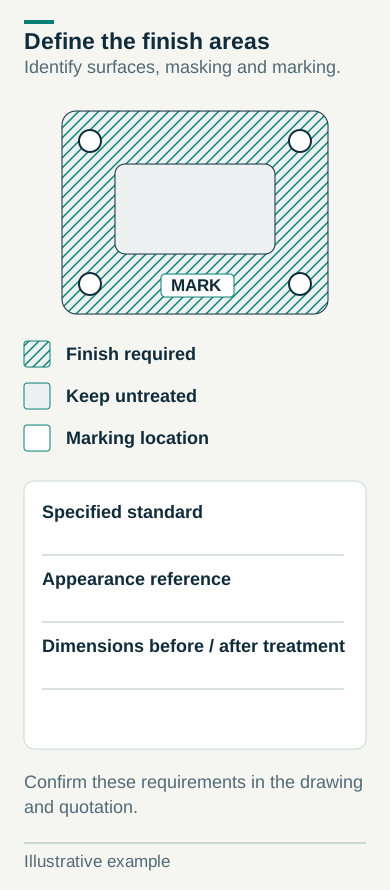
For a requested treatment such as bead blasting, anodizing, electroless nickel, passivation, powder coating or marking, identify the affected surfaces. Confirm compatibility with the material and part; the treatment name alone does not establish suitability.
Include the standard, color or thickness when specified by the design. Mark masking areas and state whether dimensions apply before or after treatment. If appearance is an acceptance requirement, agree on its assessment method, such as a reference sample.
For markings, supply the content and location. List packaging separately so it is also addressed in the quote.
Compare the stated scope
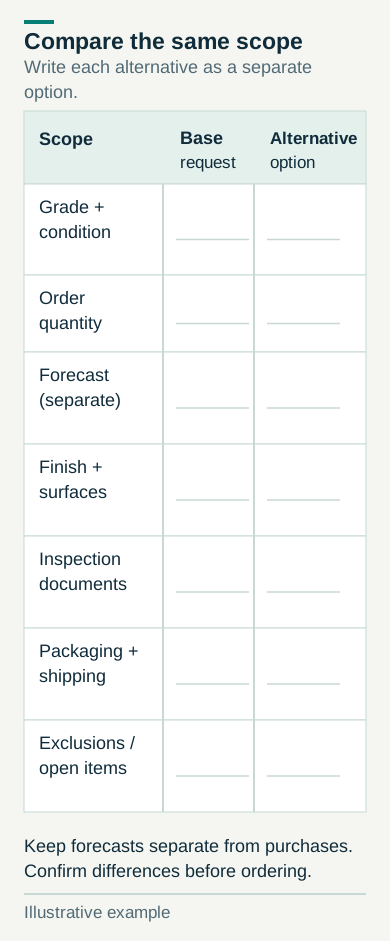
Check material, quantity, finish, inspection, packaging and shipping against the request. Record exclusions and alternatives alongside the base scope. Clarify unresolved differences before issuing the purchase order.
Quote comparison checklist
- Grade, condition and substitution policy
- Required material documents
- Quantities by part and revision; forecasts labeled
- Finish, masking and marking
- Inspection, packaging and shipping
- Alternatives, exclusions and quote validity
Download the blank worksheet
Record your requested scope and compare each quotation against it. Keep alternatives and exclusions in separate fields.
Keep completed worksheets private. The request form accepts CAD, PDF and ZIP files; you can use the worksheet to prepare a PDF summary.